


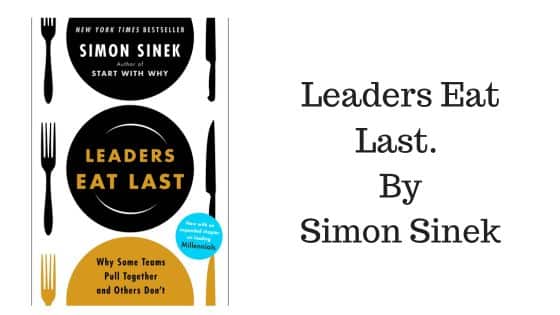
Book Summary: “Leaders Eat Last” by Simon Sinek
“Leaders Eat Last” by Simon Sinek explores the profound impact of leadership on individuals, teams, and organisations. Drawing from biology, psychology, and real-world examples, Sinek presents a compelling argument for leadership that prioritises the well-being and success of its people. The book dives into the concept of “the Circle of Safety,” where leaders who create an environment of trust, cooperation, and support ultimately foster growth and success.
Part 1: The Evolution of Leadership.
Sinek begins by examining the biological underpinnings of leadership. He delves into the role of chemicals like dopamine, endorphins, serotonin, and oxytocin in shaping human behaviour. These chemicals influence feelings of happiness, trust, and cooperation, which are essential for effective leadership. Drawing parallels between human biology and organisational dynamics, Sinek emphasises the importance of leaders who prioritise the well-being of their teams.
In the opening section of “Leaders Eat Last,” Simon Sinek explores the evolution of leadership from a biological perspective. He draws insights from our evolutionary history, human biology, and the complex interplay of chemicals that influence behaviour and relationships. Through this lens, Sinek sets the stage for understanding the fundamental principles that underlie effective leadership.
- The Chemical Foundations of Behaviour.
Sinek introduces the reader to four key chemicals that play pivotal roles in shaping human behaviour and interactions: dopamine, endorphins, serotonin, and oxytocin. These chemicals are closely tied to our emotions, motivations, and overall well-being.
Dopamine: Often referred to as the “feel-good” chemical, dopamine is associated with pleasure and reward. It’s released when we achieve goals, receive recognition, or experience success. This chemical encourages us to seek out and accomplish tasks.
Endorphins: Endorphins are our natural painkillers. They’re released in response to stress, pain, or discomfort, offering relief and a sense of euphoria. Sinek highlights how endorphins help us push through challenges and crises.
Serotonin: Serotonin is linked to feelings of pride, status, and respect. It’s released when we’re in a position of authority or when our actions benefit the wider community. A healthy level of serotonin contributes to a sense of belonging.
Oxytocin: Oxytocin, often dubbed the “love hormone,” is crucial for building social bonds and trust. It’s released when we engage in positive social interactions, fostering connections and empathy.
- The Role of Chemicals in Leadership.
Sinek underscores the importance of these chemicals in the context of leadership. Effective leaders create environments that trigger the release of these chemicals, promoting a sense of belonging, trust, and collaboration.
Leadership as a Source of Trust: When leaders prioritize the well-being of their team members, it triggers the release of oxytocin. This chemical fosters a sense of trust and safety among individuals, leading to improved teamwork and loyalty.
Celebrating Achievements: Acknowledging and celebrating achievements release dopamine, motivating individuals to strive for excellence and contribute to the team’s success.
Overcoming Challenges: The release of endorphins when facing challenges helps teams push through adversity. Leaders who encourage their teams during tough times promote resilience and determination.
Recognition and Status: Leaders who provide recognition and show respect stimulate the release of serotonin. This not only boosts an individual’s self-esteem but also contributes to a positive team culture.
- Implications for Leadership.
Sinek’s exploration of these chemicals offers profound implications for leadership practices:
Building a Circle of Safety: Effective leaders create a “Circle of Safety” where team members feel valued, supported, and safe. This environment fosters the release of oxytocin and leads to improved collaboration and innovation.
Empowering Through Recognition: Recognising and appreciating team members’ contributions trigger dopamine release. By consistently acknowledging their efforts, leaders motivate individuals to perform at their best.
Shared Success: Serotonin release is tied to shared success and collaboration. Leaders who prioritize collective achievements over personal gain create a positive work culture that encourages mutual support.
Cultivating Resilience: Encouraging teams to face challenges head-on can trigger endorphin release, building resilience and determination within the Organisation.
- The Leadership Imperative
Sinek’s exploration of the biological foundations of behaviour underscores the imperative for leaders to prioritize the well-being of their teams. By understanding the chemical reactions that influence human interactions, leaders can create environments that promote trust, collaboration, and growth.
In summary, the first part of “Leaders Eat Last” lays the groundwork for a deeper understanding of leadership beyond traditional authority and command. It introduces the concept of leadership as a biological and psychological force that shapes behaviour and relationships. This perspective serves as a compelling foundation for the subsequent exploration of how leaders can create a “Circle of Safety”, foster trust, and drive success within their organisations.
Part 2: The Four Building Blocks of the Circle of Safety.
In part 2 Simon Sinek introduces the concept of the “Circle of Safety,” an environment within organisations that nurtures trust, collaboration, and mutual support. Sinek breaks down this concept into four essential building blocks: Trust, Shared Values, Empathy, and Shared Experiences. These building blocks serve as the foundation for creating a workplace culture where individuals thrive and work together toward a common purpose.
- Trust: The Keystone of the Circle
Trust is the bedrock of the “Circle of Safety”. A culture of trust is created when leaders consistently demonstrate integrity, authenticity, and transparency. When employees feel they can rely on leadership, it establishes a strong sense of security.
Leader’s Role in Building Trust: Leaders must set an example by honouring commitments, admitting mistakes, and prioritising the well-being of their teams. Trust is earned over time through consistent actions.
Impact on Employees: When trust is present, employees feel comfortable expressing ideas, taking calculated risks, and raising concerns. This leads to open communication and a willingness to collaborate.
- Shared Values: A Common North Star.
Shared values provide a sense of purpose and alignment within an organisation. When team members believe in a common mission and values, they feel a sense of belonging and are more likely to work cohesively.
Articulating Values: Leaders should clearly define and communicate the core values that guide the organisation’s decisions and actions. These values should reflect a commitment to the greater good.
Building a Values-Driven Culture: When individuals share values, their decisions and behaviours are more likely to be aligned with the organisation’s goals. This strengthens collaboration and decision-making.
- Empathy: The Bridge to Understanding.
Empathy involves understanding and sharing the feelings of others. Leaders who practice empathy create an environment where individuals feel valued, heard, and supported.
Listening with Intent: Leaders should actively listen to employees, seeking to understand their perspectives and concerns. This fosters a sense of being heard and appreciated.
Fostering Connection: Empathy enhances relationships within the Organisation, leading to increased trust and collaboration. It also encourages open dialogue and the exchange of diverse ideas.
- Shared Experiences: Building Bonds.
Shared experiences, both positive and challenging, create a sense of camaraderie among team members. When individuals navigate difficulties together, it forges stronger connections and a willingness to support one another.
Creating a Supportive Community: Leaders should encourage teamwork and offer assistance during challenges. This promotes a culture of mutual support and camaraderie.
Resilience and Growth: Shared experiences build resilience within the organisation. Overcoming challenges together strengthens bonds and empowers individuals to adapt and grow.
The Interconnected Nature of Building Blocks.
The four building blocks of the Circle of Safety are interconnected and reinforce one another:
Trust and Shared Values: Trust is enhanced when leaders demonstrate values in their actions. Employees trust leaders who align decisions with shared values.
Empathy and Shared Experiences: Empathy is a natural outcome of shared experiences. Leaders who show empathy during challenging times reinforce the sense of community.
Trust and Empathy: Trust is deepened when leaders empathise with employees’ concerns. This creates an environment where individuals feel valued and understood.
Shared Values and Shared Experiences: Shared values guide how shared experiences are navigated. These experiences further validate the alignment of values.
Cultivating the Circle of Safety.
Creating a Circle of Safety requires intentional effort from leaders. By prioritising trust, shared values, empathy, and shared experiences, organisations can foster an environment where individuals feel safe, supported, and empowered to collaborate. This culture not only promotes individual well-being but also leads to enhanced teamwork, innovation, and long-term success.
In essence, the four building blocks of the Circle of Safety serve as a roadmap for leaders to transform their organisations into spaces where individuals are valued, motivated, and empowered to contribute their best. By weaving these elements into the fabric of the organisation, leaders lay the foundation for a culture that prioritizes people and fosters lasting success.
Part 3: The Leader’s Role in the Circle of Safety.
In Part 3 Sinek underscores the profound influence leaders wield in shaping organisational cultures and the well-being of their teams. In Part 3, Sinek explores the pivotal role leaders play within the Circle of Safety—a concept that emphasises fostering environments of trust, collaboration, and mutual support.
- The Leadership Imperative.
Sinek stresses that leaders hold a responsibility that transcends authority and command. Effective leadership involves serving as guardians of the Circle of Safety, ensuring that the well-being and growth of team members are prioritised over personal interests.
Putting People First: Leaders who genuinely care about their team members foster a culture of trust and respect. They lead by example, putting the needs of the team ahead of their own.
Building a Safe Haven: Leaders must create an environment where individuals feel safe to express ideas, admit mistakes, and take calculated risks. This builds a Circle of Safety that encourages innovation and engagement.
- Servant Leadership.
Sinek introduces the concept of servant leadership, a paradigm where leaders focus on serving their team rather than the other way around. This approach promotes collaboration and empowers team members to contribute their best.
Support and Empowerment: Servant leaders remove obstacles that hinder their team’s progress. They provide resources, guidance, and opportunities for growth, enabling individuals to thrive.
Leading by Example: Leaders who practice servant leadership inspire their teams through their actions. They embody the values and behaviours they expect from their team members.
- Making Tough Decisions.
Effective leaders must make decisions that benefit the organisation and its members in the long run, even if they require personal sacrifices. This aligns with the concept that leaders eat last, ensuring the needs of their team are met before their own.
Balancing Priorities: Leaders must navigate complex decisions that consider the welfare of the team, organisational goals, and ethical considerations. This requires a broad perspective and a commitment to the greater good.
Ethical Leadership: Sinek emphasises the importance of ethical decision-making. Leaders who prioritise integrity and transparency instil a sense of trust and respect within the organisation.
- Nurturing Growth and Development.
Leaders are responsible for cultivating an environment that encourages individual and collective growth. This involves providing opportunities for skill development, advancement, and personal fulfilment.
Investing in People: Leaders who invest in their team’s growth contribute to a sense of loyalty and commitment. This investment benefits both the organisation and the individuals within it.
Mentorship and Coaching: Effective leaders serve as mentors and coaches, guiding team members to reach their potential. This approach fosters a culture of continuous learning and improvement.
- Building a Legacy.
Sinek discusses the legacy that leaders leave behind. Exceptional leaders prioritise the well-being and success of their teams, leaving a positive and lasting impact on the organisation and its culture.
Creating Meaningful Change: Leaders who prioritise the Circle of Safety shape a culture where collaboration and mutual support become ingrained. Their influence reverberates beyond their tenure.
Inspiring Future Leaders: A leader’s legacy includes nurturing the next generation of leaders. By modelling effective leadership, they inspire others to carry forward the principles of the Circle of Safety.
In Summary.
Part 3 underscores the pivotal role that leaders play within the Circle of Safety. Leaders who prioritise their team’s well-being, practice servant leadership, make ethical decisions, and foster growth create environments where individuals thrive and succeed. Their influence extends beyond their immediate role, leaving a lasting legacy of collaboration, trust, and positive cultural change.
Part 4: Bringing the Circle of Safety to Life.
In part 4 Sinek not only explores the concepts of the Circle of Safety but also delves into how these principles can be practically implemented within organisations. It focuses on the strategies and practices that leaders can adopt to bring the Circle of Safety to life, creating environments of trust, collaboration, and mutual support.
- Clear and Transparent Communication.
Effective communication is a cornerstone of the Circle of Safety. Leaders must provide clear and transparent information to their teams, ensuring that everyone understands the organisation’s goals, challenges, and strategies.
Openness and Honesty: Leaders who openly share information, including both successes and setbacks, cultivate an atmosphere of transparency and trust.
Encouraging Feedback: Leaders should actively seek input from their teams and create spaces where individuals can voice their opinions and concerns.
- Empowerment and Autonomy.
Empowering team members to make decisions and take ownership of their work enhances engagement and accountability. Leaders should provide the necessary resources, guidance, and autonomy for their teams to succeed.
Delegation: Effective leaders delegate tasks and responsibilities, giving team members the opportunity to contribute their skills and talents.
Encouraging Initiative: Leaders who encourage individuals to take initiative foster a culture of innovation and continuous improvement.
- Recognition and Appreciation.
Recognising and appreciating the contributions of team members is crucial for building a positive work environment. Acknowledging achievements boosts morale and reinforces the value of individual efforts.
Personalised Recognition: Leaders should tailor recognition to individual preferences, whether it’s public praise, private acknowledgement, or tangible rewards.
Celebrating Milestones: Celebrating both small and significant achievements contributes to a culture of positivity and motivation.
- Empathy and Support.
Empathy is a cornerstone of the Circle of Safety. Leaders who show genuine care and support for their team members create an environment where individuals feel valued and understood.
Active Listening: Leaders must listen actively to their team members, showing that their concerns and feedback are valued.
Providing Resources: Leaders should ensure that team members have the necessary tools and resources to succeed in their roles.
- Leading by Example.
Leaders must model the behaviours and values they expect from their teams. By leading by example, leaders set the tone for the organisation’s culture and foster the Circle of Safety.
Behavioural Consistency: Leaders should consistently demonstrate the values, behaviours, and attitudes they want to see in their team.
Ethical Leadership: Leading by example includes making ethical decisions and prioritising the well-being of the team over personal interests.
- Fostering Innovation and Collaboration.
A thriving Circle of Safety encourages innovation and collaboration. Leaders should create an environment that values diverse perspectives and encourages creativity.
Brainstorming and Idea Sharing: Leaders should encourage team members to share their ideas and perspectives, fostering a culture of open dialogue.
Collaborative Problem-Solving: Leaders who encourage collaboration in solving challenges promote a sense of ownership and shared responsibility.
- Resilience in the Face of Challenges.
Challenges are inevitable, but a strong Circle of Safety supports team members during difficult times. Leaders should provide guidance, reassurance, and resources to help the team navigate challenges.
Staying Calm Under Pressure: Leaders who remain composed during challenges reassure their team members and foster a sense of stability.
Problem-Solving Together: Involving the team in problem-solving encourages a collective effort to overcome challenges.
In Summary.
Part 4 provides actionable strategies for leaders to implement the principles of the Circle of Safety within their organisations. By practising clear communication, empowerment, recognition, empathy, and leading by example, leaders create environments where trust, collaboration, and mutual support flourish. These practices not only benefit individuals but also contribute to the organisation’s overall success and growth. The practical guidance offered in this section empowers leaders to foster a culture that prioritises the well-being and success of their teams.
Part 5: The Courage to Lead.
In the final section, the focus shifts to the qualities and responsibilities that define exceptional leaders. Part 5, titled “The Courage to Lead,” delves into the profound impact leaders can have on their organisations, their teams, and their own legacies.
- Leadership Through Adversity.
Exceptional leaders exhibit courage in the face of adversity. They embrace challenges head-on, demonstrating resilience and determination. Sinek emphasises that leadership isn’t about avoiding difficulties, but about navigating them with integrity and courage.
Facing Uncertainty: Outstanding leaders remain steadfast during uncertain times, guiding their teams through challenges and changes.
Inspiring Confidence: Leaders who face adversity with grace and resolve inspire confidence in their teams, motivating them to overcome obstacles.
- The Ripple Effect of Leadership.
Sinek highlights the ripple effect of leadership—the idea that the behaviours and values demonstrated by leaders have a lasting impact on the organisation’s culture and individuals’ lives.
Cultural Transformation: Exceptional leaders shape a positive organisational culture by embodying values and behaviours that encourage collaboration and trust.
Inspiring Others: A leader’s actions inspire team members to exhibit similar behaviors, leading to a chain reaction of positive influence.
- Humility and Selflessness.
Sinek discusses the humility and selflessness that define exceptional leaders. These qualities involve placing the needs of the team above personal desires and acknowledging that leadership is a privilege.
Servant Leadership: Leaders who prioritise serving their teams create a culture of collaboration and mutual support.
Leading from Behind: Exceptional leaders empower others to shine, stepping back when appropriate to allow team members to take the lead.
- Embracing Responsibility.
Sinek explores the responsibility that leaders have for the well-being and growth of their teams. Leaders must be willing to make difficult decisions, even if they require personal sacrifices.
Ethical Decision-Making: Leaders prioritise ethical choices that align with the organisation’s values and benefit the greater good.
Long-Term Perspective: Exceptional leaders make decisions that consider the organisation’s future sustainability and the legacy they leave behind.
- Creating a Positive Legacy
Sinek discusses the legacy that leaders leave behind and the impact their leadership has on the Organisation and its members. Leaders who prioritize the Circle of Safety create lasting positive change.
Cultural Impact: A leader’s influence on culture shapes how the organisation operates even after they’re gone.
Mentoring Future Leaders: Exceptional leaders mentor and empower the next generation of leaders, perpetuating the principles of the Circle of Safety.
- The Challenge of Leadership.
Sinek acknowledges that leadership isn’t easy and that it requires ongoing effort and self-awareness. He underscores that leadership is a journey, not a destination.
Personal Growth: Leaders continuously strive to improve themselves, evolving as individuals and adapting to changing circumstances.
Perseverance: Exceptional leaders persevere through challenges and setbacks, demonstrating resilience and determination.
In Summary.
Part 5, “The Courage to Lead,” encapsulates the essence of exceptional leadership. Leaders who exhibit courage, humility and a commitment to the well-being of their teams create lasting positive change within their organisations. By embracing their responsibilities, inspiring confidence, and fostering a culture of trust and collaboration, these leaders leave behind a legacy that shapes organisational culture and influences future leaders. The section underscores that leadership isn’t just about holding a position—it’s about embracing the challenges, exhibiting courage, and making a meaningful impact on the lives of those you lead.
Key Takeaways from “Leaders Eat Last”.
“Leaders Eat Last” by Simon Sinek offers profound insights into effective leadership, emphasising the importance of creating a Circle of Safety—a culture of trust, collaboration, and mutual support. Here are the key takeaways from the book:
- The Circle of Safety:
The Circle of Safety refers to an environment where individuals feel safe, valued, and supported, fostering collaboration and well-being.
- Biological Foundations of Leadership:
Human behaviour is influenced by chemicals such as dopamine, endorphins, serotonin, and oxytocin, which affect feelings of happiness, trust, and cooperation. Effective leadership triggers the release of these chemicals, promoting a positive work culture.
- Trust is Essential:
Trust is the foundation of strong leadership and Organisational success. Consistency, transparency, and reliability from leaders build trust within teams.
- Shared Values Unite Teams:
Shared values create a sense of purpose and belonging within an organisation. Clear communication of values helps align individuals toward a common mission.
- Empathy Drives Connection:
Empathetic leaders create an environment where individuals feel valued and understood. Active listening and understanding team members’ perspectives promote trust and collaboration.
- Shared Experiences Build Bonds:
Experiencing challenges and successes together builds strong bonds among team members.
Leaders should encourage teamwork and mutual support to create a sense of community.
- Servant Leadership Matters:
Servant leadership prioritizes serving the needs of the team over personal gain. Empowering team members and removing obstacles enhances engagement and ownership.
- Leaders Eat Last:
Effective leaders prioritize the well-being of their teams, ensuring their needs are met before their own. Leaders who practice selflessness create cultures of trust and collaboration.
- Ethical Decision-Making:
Leaders must make decisions that align with Organisational values and benefit the greater good.
Ethical leadership fosters trust and respect within the organisation.
- Legacy of Leadership:
Exceptional leaders leave a lasting impact on Organisational culture and individuals’ lives. Prioritising the Circle of Safety shapes a positive legacy that extends beyond one’s tenure.
- Leading Through Adversity:
True leadership involves facing challenges with courage and resilience. Inspiring confidence during tough times motivates teams to overcome obstacles.
- Humility and Selflessness:
Humble and selfless leaders prioritize the needs of the team and lead by example. Servant leadership empowers team members and fosters collaboration.
- Continuous Growth:
Leadership is a journey of personal growth and development. Exceptional leaders continuously improve themselves and adapt to changing circumstances.
- Creating Positive Change:
Effective leaders create a culture of trust, collaboration, and support. The ripple effect of leadership influences organisational culture and future leaders.
- Leadership is a Privilege:
Leadership involves embracing responsibilities and making tough decisions. Exceptional leaders view their role as a privilege to serve and lead their teams.
Final Thoughts on “Leaders Eat Last”
“Leaders Eat Last” by Simon Sinek offers a paradigm-shifting perspective on leadership that challenges traditional notions of authority and hierarchy. The book’s exploration of the Circle of Safety—a culture of trust, collaboration, and mutual support—profoundly impacts how we understand effective leadership and its impact on individuals and Organisations. Here are the final thoughts on this transformative work:
- Redefining Leadership:
Sinek’s book redefines leadership as a responsibility to prioritise the well-being of team members above personal interests. The concept of leaders eating last symbolises the selflessness required to lead effectively.
- Human-Centric Approach:
The book reminds us that leadership isn’t about exerting power; it’s about understanding human needs, emotions, and motivations. Sinek’s emphasis on biology underscores the innate human desire for trust, connection, and collaboration.
- A Call for Empathy:
“Leaders Eat Last” underscores the importance of empathy in leadership. Empathetic leaders create environments where individuals feel valued and understood. Empathy bridges gaps, resolves conflicts, and fosters a sense of community.
- Building Lasting Legacies:
The book emphasises the legacy leaders leave behind. Leaders who prioritise the Circle of Safety shape organisational culture, influencing generations to come. Exceptional leaders create positive ripples that extend far beyond their immediate impact.
- Blueprint for Positive Change:
“Leaders Eat Last” provides a blueprint for fostering organisational cultures that prioritise people over profit, trust over fear, and collaboration over competition.
The Circle of Safety offers actionable strategies for leaders to create workplaces that inspire engagement and innovation.
- Leadership as a Journey:
Sinek reminds us that leadership is an ongoing journey of growth and adaptation. Exceptional leaders continuously refine their skills, embrace challenges, and evolve with changing circumstances.
- Inspiration for Future Leaders:
The book serves as an inspiration for aspiring leaders who seek to make a meaningful impact.
By adopting the principles of the Circle of Safety, emerging leaders can transform their organisations and elevate their teams.
- Bridging Leadership with Humanity:
“Leaders Eat Last” bridges the gap between leadership theory and human psychology. It emphasises that leaders are not detached figures but integral parts of a community.
- Creating Flourishing Workplaces:
The book’s principles hold the potential to revolutionise workplaces. Organisations that prioritise the Circle of Safety create environments where employees flourish.
- A Call to Action:
“Leaders Eat Last” challenges leaders to take action and create positive change. It encourages them to prioritise their team’s well-being, fostering a sense of purpose and fulfilment.
In conclusion, “Leaders Eat Last” invites us to reconsider our understanding of leadership, urging us to embrace a more compassionate and people-centred approach. By placing individuals at the heart of leadership and prioritising the Circle of Safety, leaders have the power to transform their organisations, inspire their teams, and leave a legacy of trust, collaboration, and lasting positive change.


